Experience the natural beauty of Norfolk Island
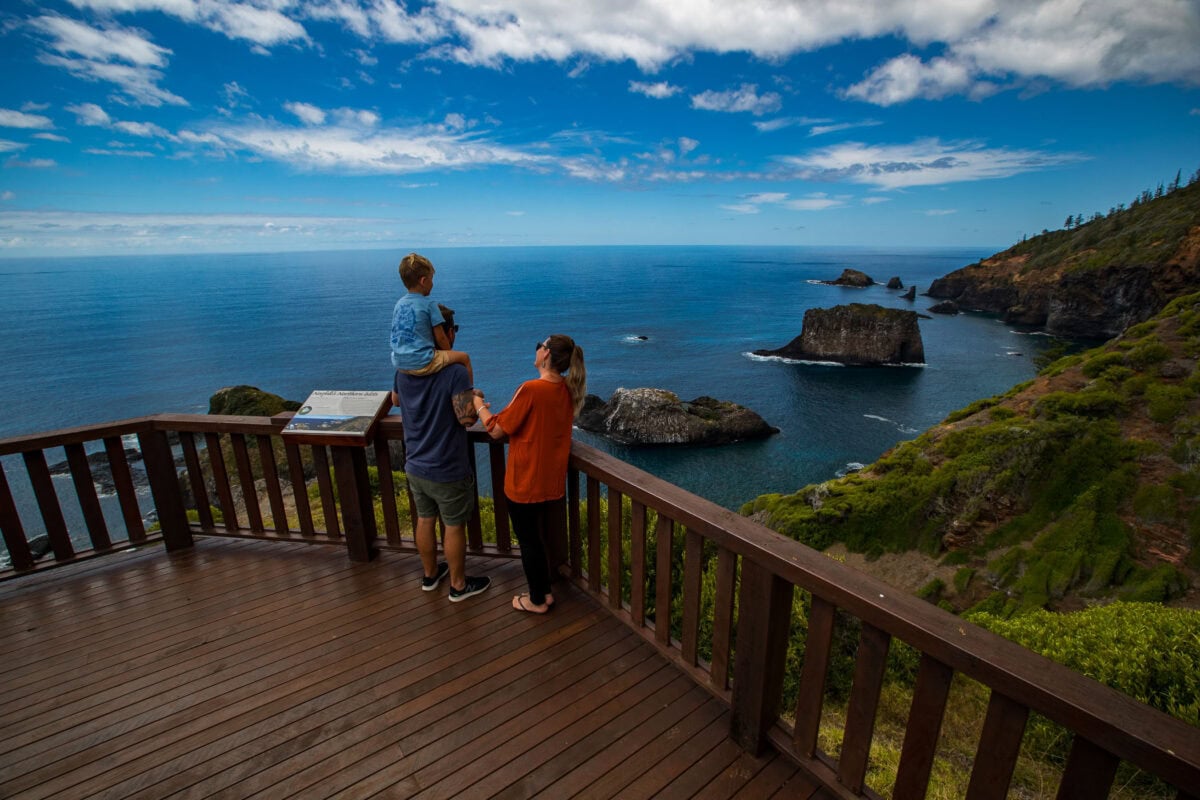
On Norfolk Island, nature isn’t something you visit. It’s something you can immerse yourself in, whether it’s a picnic at a scenic lookout, hiking one of the many trails or snorkelling in the turquoise bays.
The island is home to unique flora and fauna that can’t be found anywhere else in the world, including around 180 native plants – more than 40 of which are endemic to the island – and 116 bird species, many of which you’ll only find on Norfolk.
If you didn’t have an appreciation for the wonders of nature before arriving on Norfolk Island, you’re guaranteed to have one that will stay with you long after leave.
Birdwatching
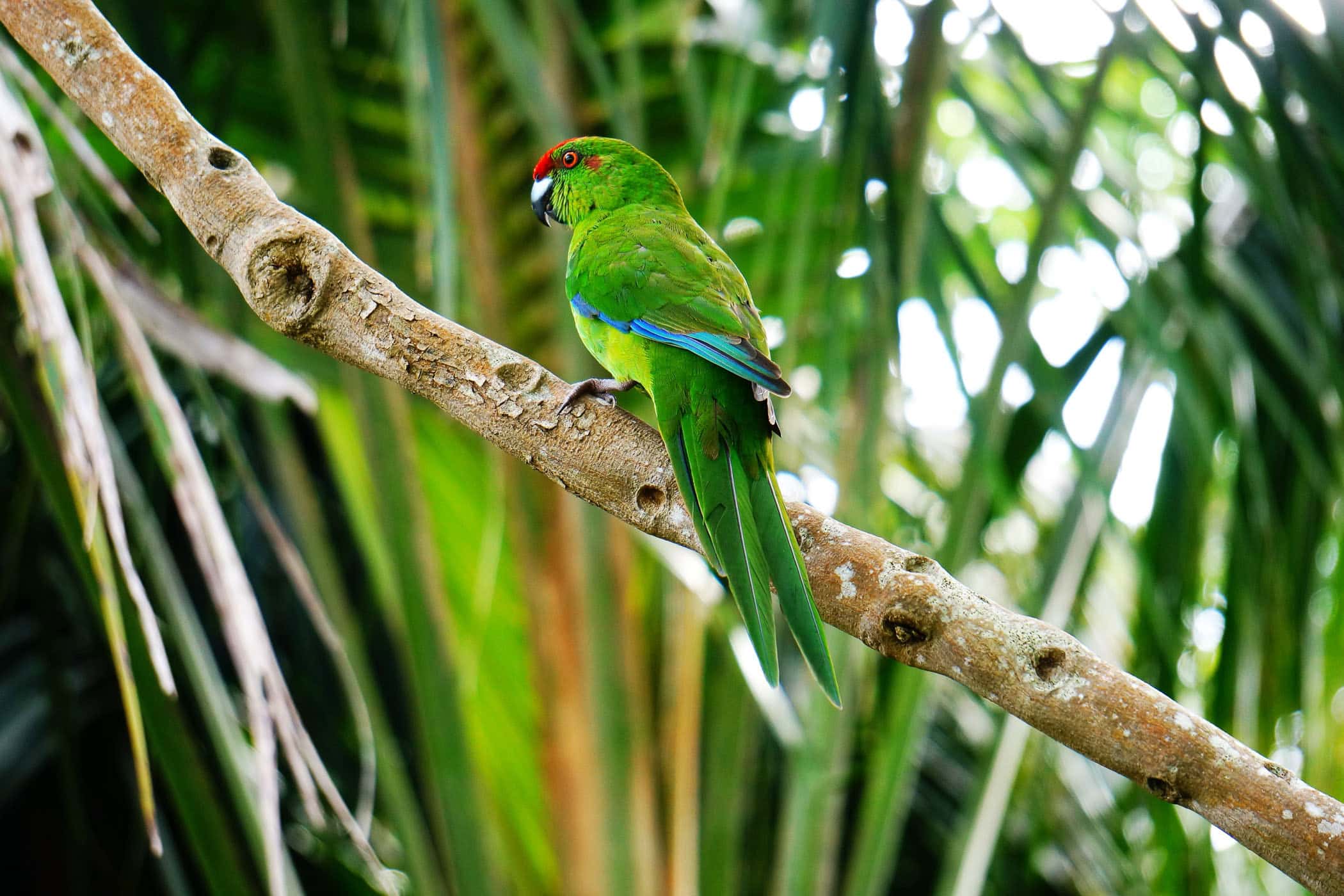
Norfolk Island is a sanctuary for birdlife, with more than 25 rare and endemic species, so naturally birdwatching is a popular pastime for locals and visitors alike. One of the rarest birds in the world, the Morepork Owl, calls Norfolk home and even if you don’t spot one, you’re sure to hear its distinctive birdcall from dusk until dawn.
The rare Green Parrot is another cherished local, which feeds on the seeds of Norfolk Island’s iconic pine trees. Keep an eye out for flashes of vivid green and red plumage and listen for its unique call.
Nearby Phillip Island is a birdwatcher’s paradise. Each year thousands of migratory seabirds, including Masked Boobies, Black-winged Petrels and Sooty Terns, make the journey to the predator-free nesting ground between August and February.
Snorkelling
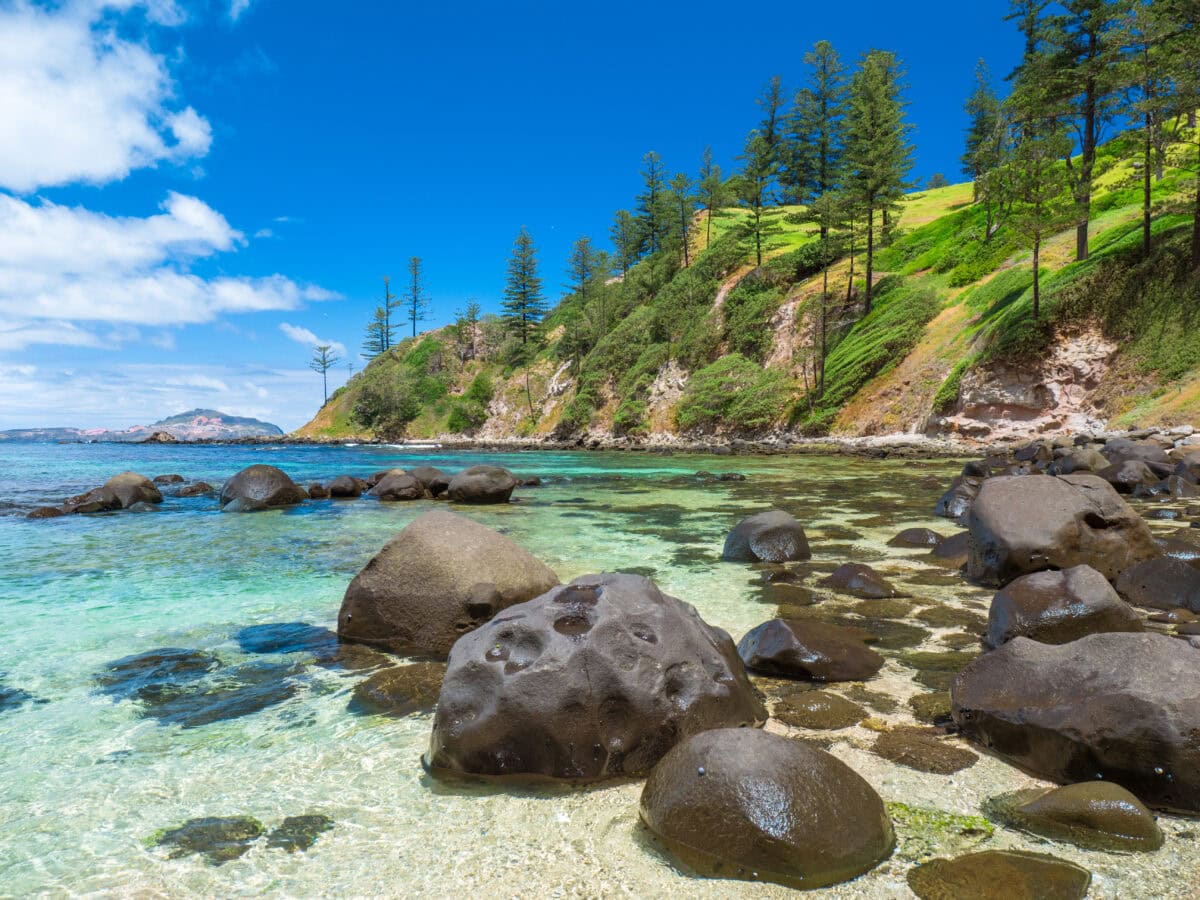
Norfolk Island boasts a diverse range of fish species that can be appreciated from the waters of Emily Bay and Slaughter Bay – all you need are goggles and a snorkel. Emily Bay is home to more than 60 individual marine species and that’s not including the coral and anemones. Even Norfolk’s lagoons are teeming with life, especially native eels – including the rare Springer’s Shore Eel.
Snorkelling on Norfolk Island is best enjoyed with a little local know-how. Start at Emily Bay, where calm, clear waters and more than 60 marine species make it perfect for all ages and skill levels.
For more adventurous sites like the Crystal Pool, always seek local guidance, check the tides, and go with someone experienced to ensure safe access. Tide timing is key across the island’s snorkelling spots: aim for mid to low tide at Slaughter Bay, low tide at the Crystal Pool, and mid to high tide in calm conditions at Cemetery Bay and Bumboras.
Walking and hiking
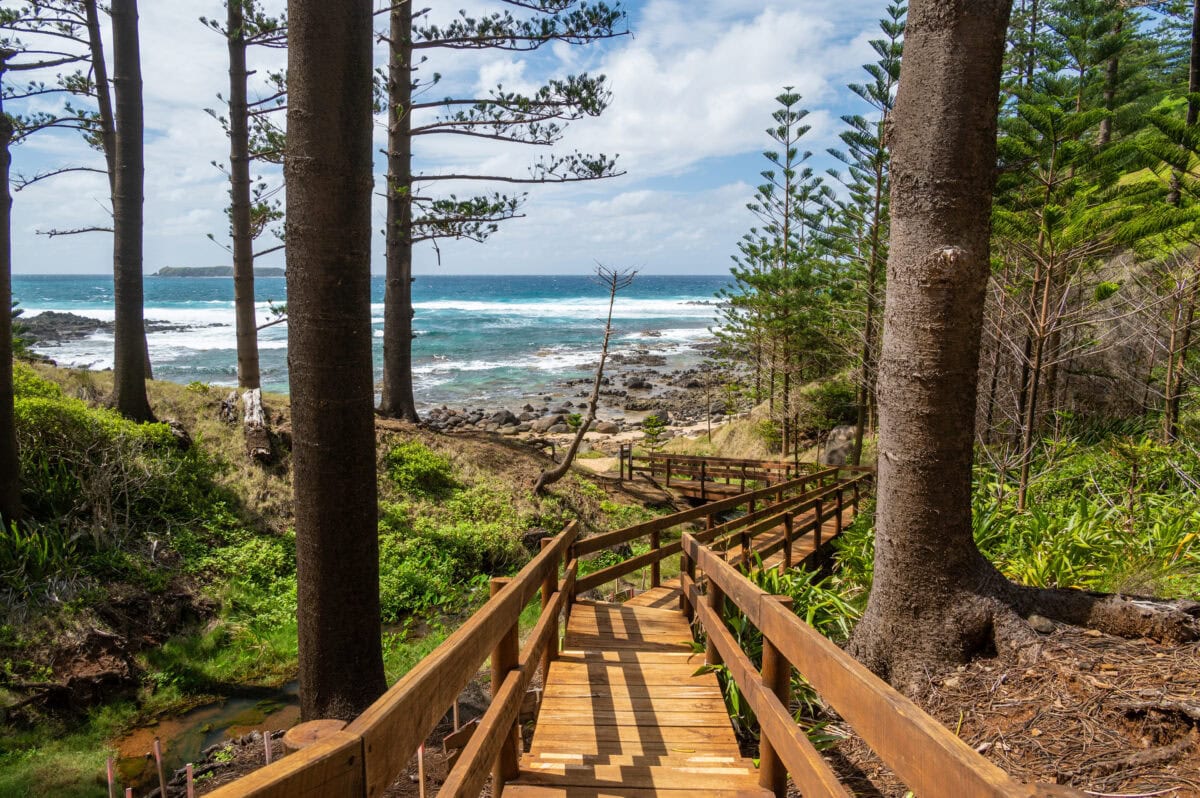
Norfolk Island’s walking trails offer an intimate way to experience the island’s diverse landscapes, from subtropical rainforest to rugged coastline. Within the Norfolk Island Botanical Gardens, part of the National Park, visitors can explore on a network of sealed paths, where interpretive signage provides information about the natural environment.
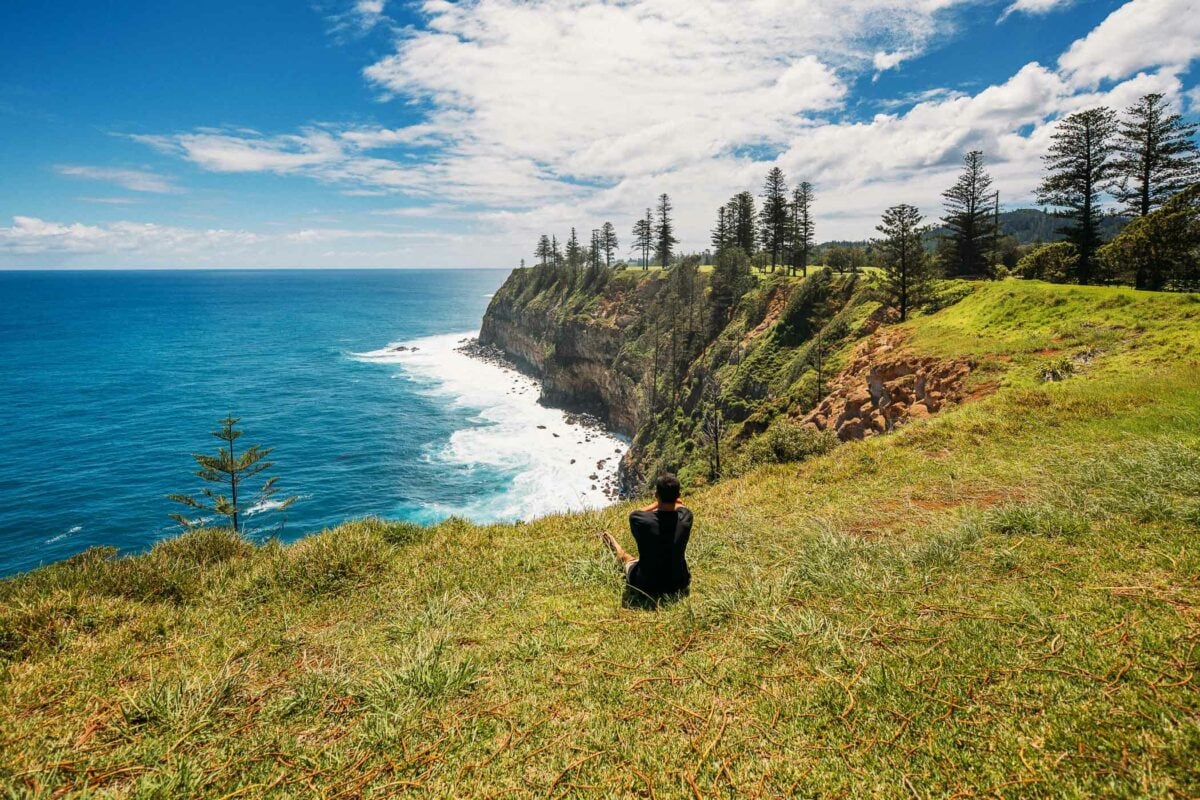
For those wanting to venture further, the Norfolk Island National Park offers a broader variety of walks, catering to both casual strollers and seasoned hikers. Samson’s Circuit is an easy 120-metre loop through rainforest, while the more demanding Bird Rock Track involves a steep 760-metre climb rewarded with dramatic coastal views. Another highlight is the Summit Walk linking Mount Pitt and Mount Bates, where, on clear days, walkers are treated to sweeping 360-degree vistas over Kingston, the coastline and the surrounding islets.
When hiking on Norfolk Island, wear sturdy shoes as trails can be uneven and slippery, and always stick to marked paths to protect the environment. Carry essentials like water, sunscreen and a light layer, as conditions can change quickly.
From lush rainforests and dramatic coastal cliffs to clear lagoons and rare birdlife, Norfolk Island offers experiences that are as diverse as they are unforgettable. Whether wandering a rainforest trail, snorkelling in sheltered bays or simply soaking up the island’s tranquil beauty, every moment is an opportunity to reconnect with nature.