Exploring Norfolk Island – history, heritage and hidden stories
Norfolk Island’s history is as captivating as its landscapes, with layers of Polynesian settlement, British colonisation and the resettlement of Pitcairn Islanders shaping the vibrant culture you’ll find today.
The island’s European story began in 1788, when the First Fleet established a penal colony powered by convict labour and agricultural work. Life was tough, but even in those early days, the island’s beauty stood out – so much so that many convicts chose to remain after serving their sentences. Their stay was short-lived, however, as the British relocated them to Van Diemen’s Land (now Tasmania) and abandoned Norfolk Island in 1814.
A decade later, in 1824, the Governor of New South Wales was ordered to reopen the island as a penal settlement, which would become one of the most brutal in the British Empire.
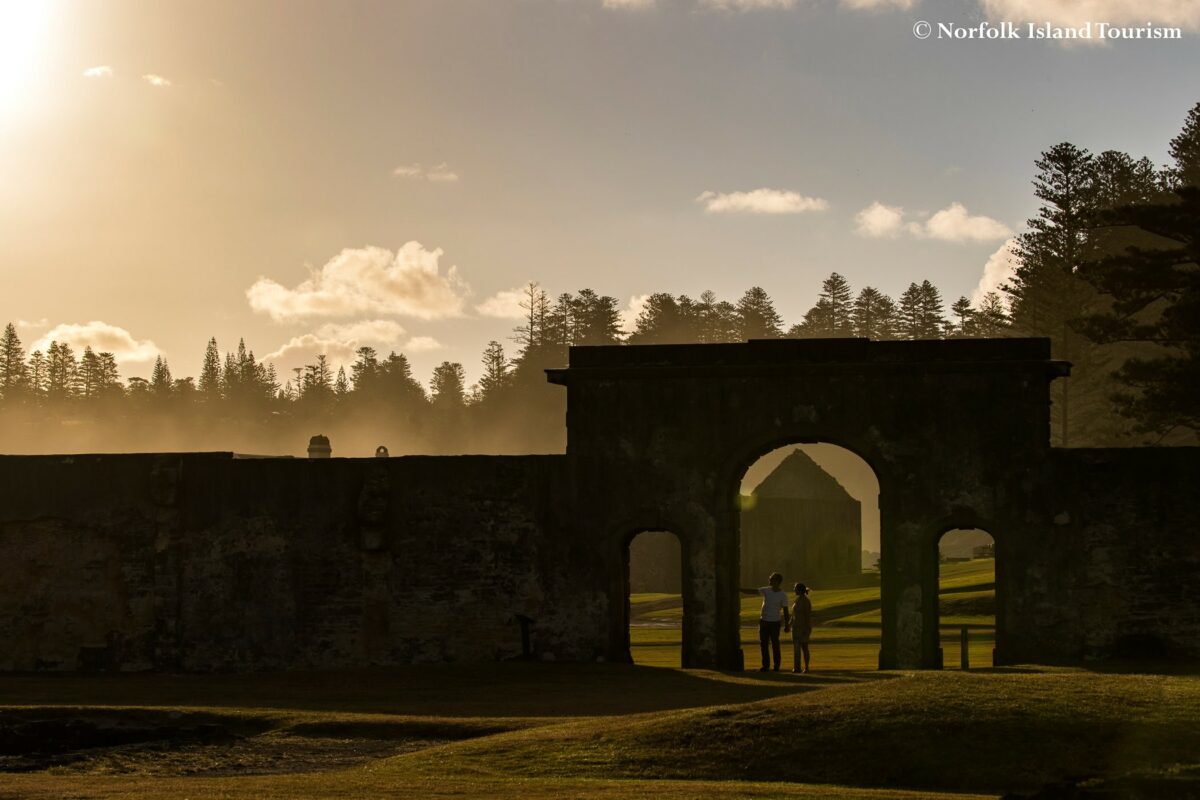
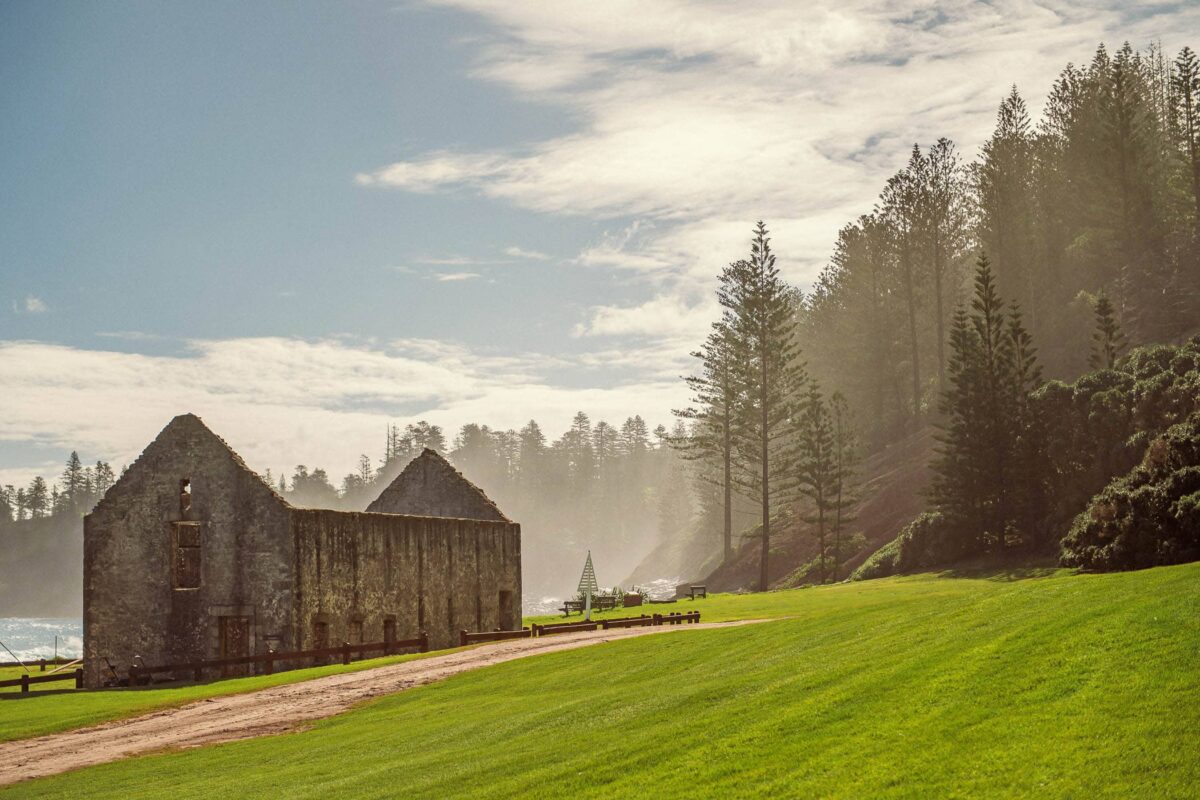
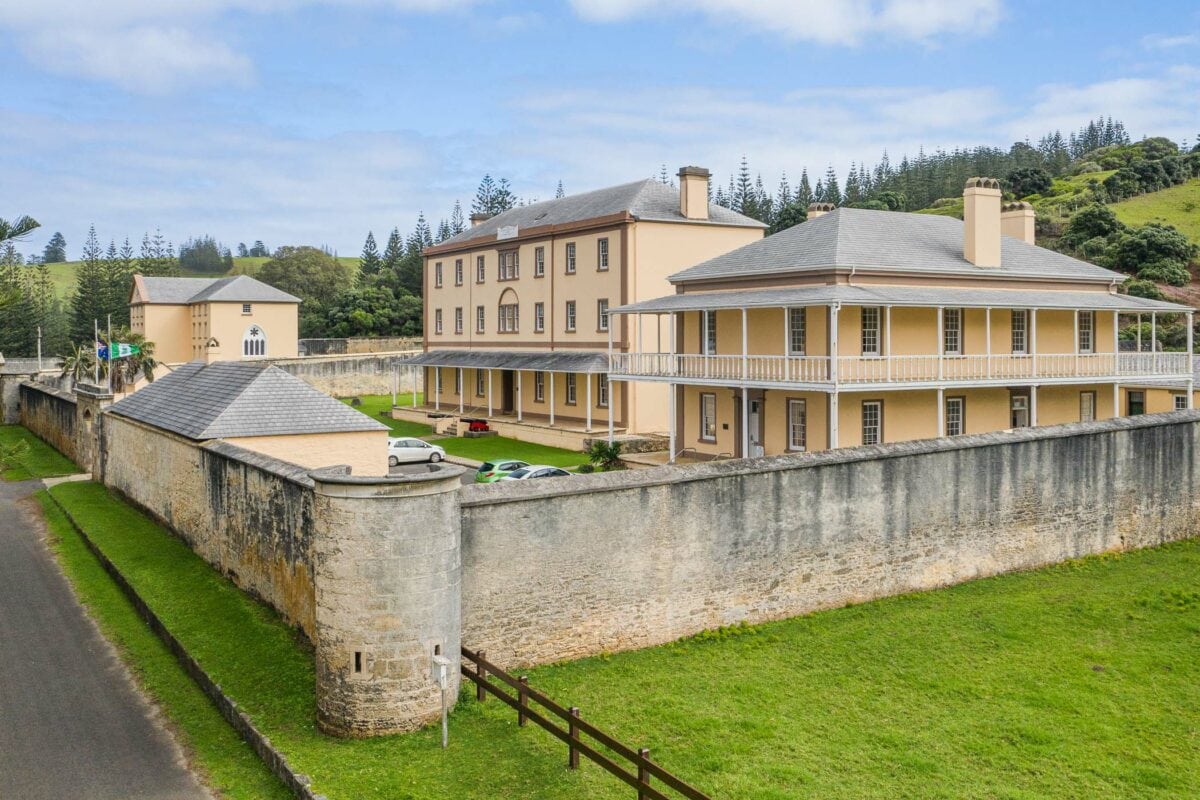
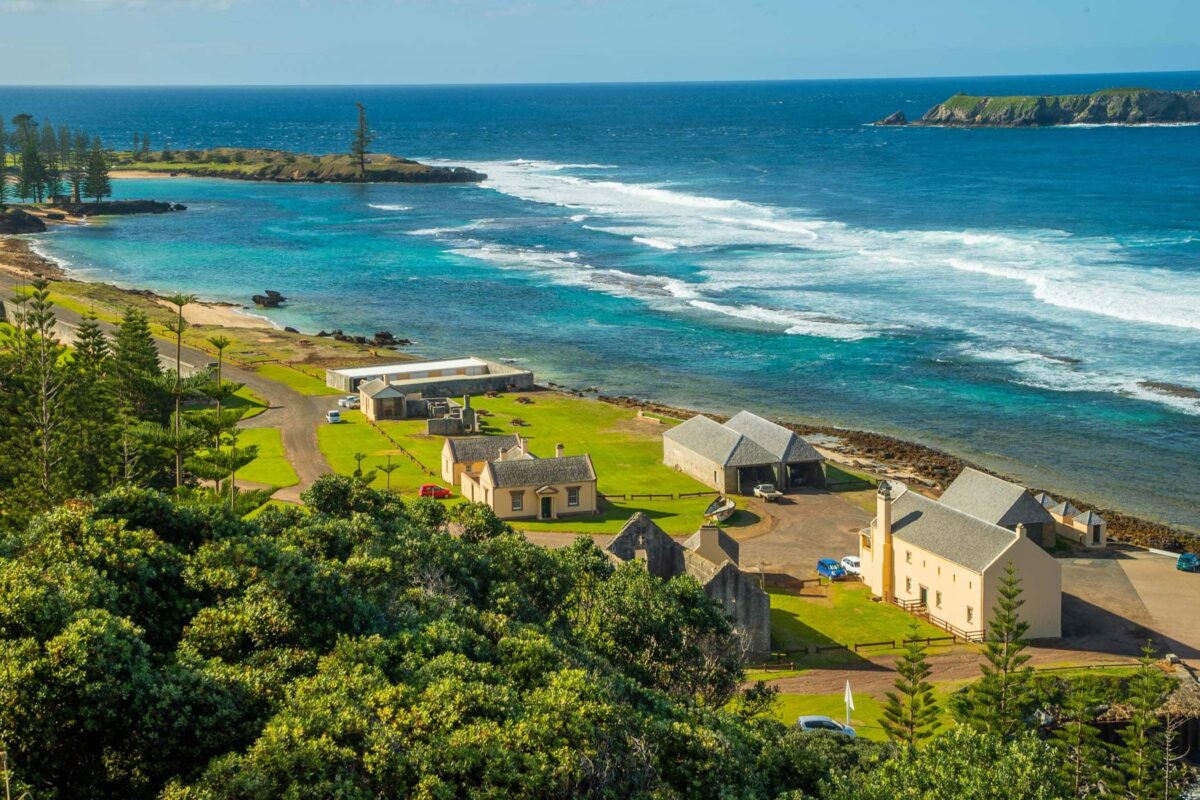
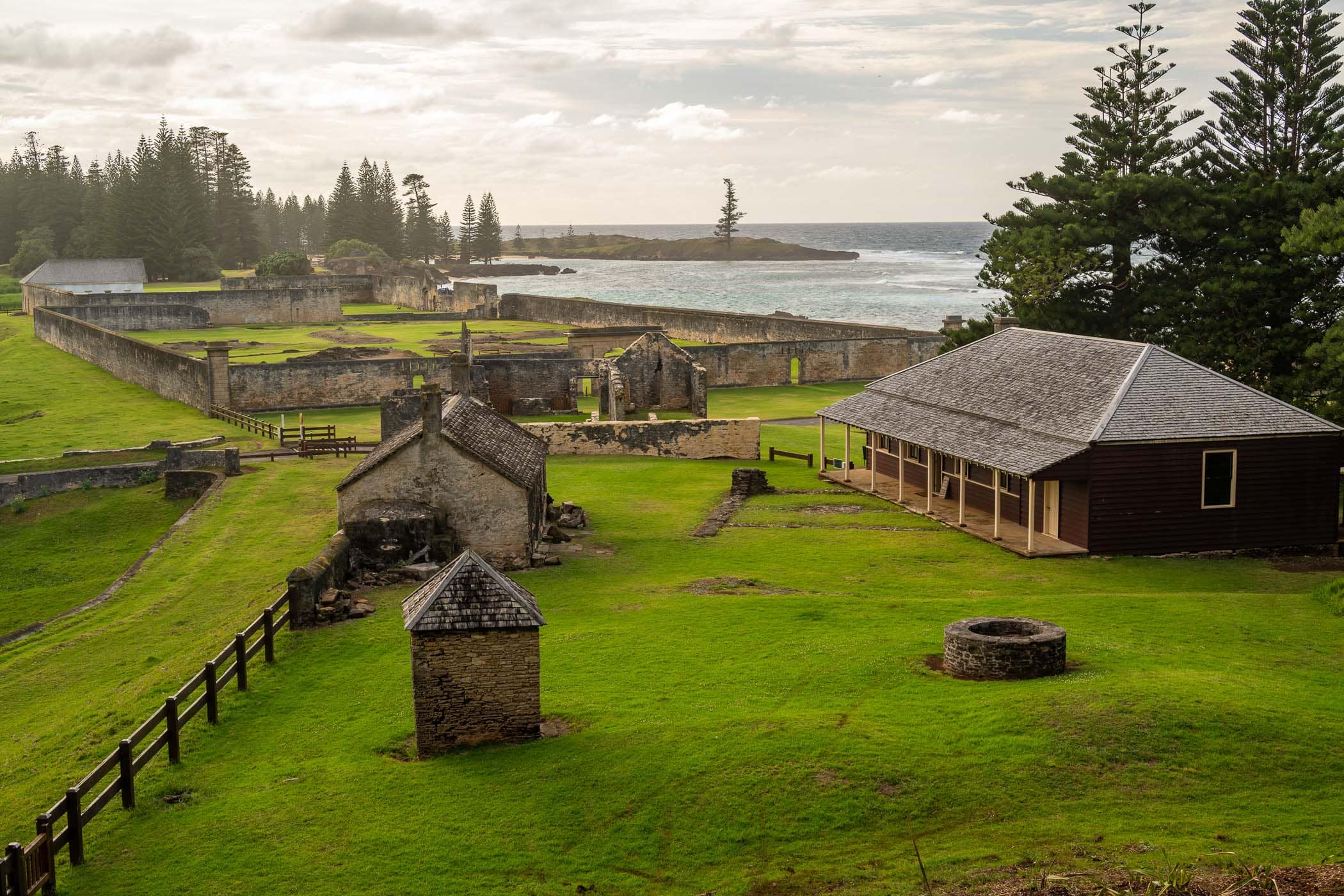
Remnants of the island’s penal period still stand on the 100+ hectare historical wonderland that is the Kingston UNESCO World Heritage Site, located on Quality Row overlooking Emily Bay. Brace yourself for a history lesson like no other as you explore the buildings that once housed convicts and the cemetery where tombstones bring their stories back to life.
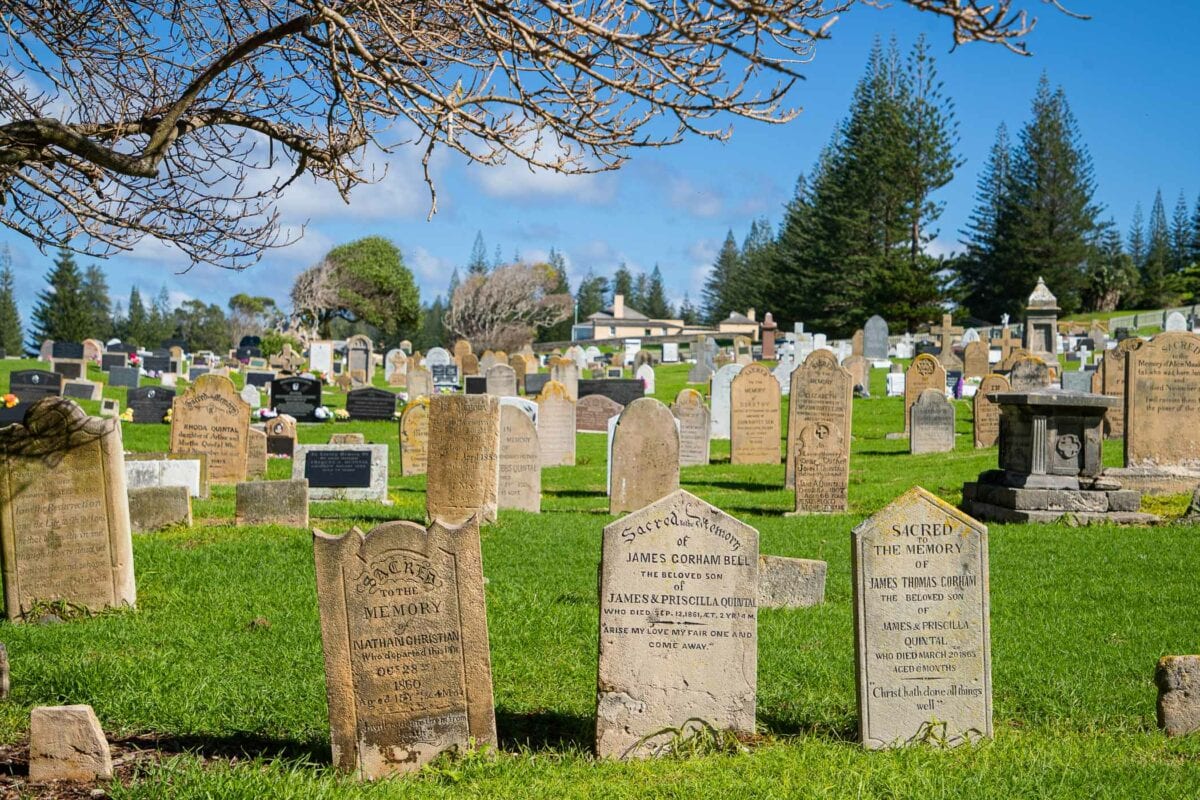
Norfolk Island Cemetery
More than 200 years old, this oceanfront burial ground is one of Norfolk Island’s most moving historic sites. It’s the final resting place for convicts from the First Fleet, soldiers and sailors, descendants of the Bounty mutineers, and island residents including renowned Australian novelist Colleen McCullough. Wander through Norfolk Island Cemetery at your own pace, reading the headstone engravings that tell powerful stories – some heartbreaking, others haunting, and all testament to Norfolk Islanders’ resilience.
Bloody Bridge
It’s often said that much of Norfolk Island was built with convict blood, sweat and tears – Bloody Bridge may well be proof of that. According to local legend, during the construction of Bloody Bridge the convicts – pushed to breaking point by a tyrannical overseer – brutally murdered their tormentor and hid his body in the bridge’s stonework. It wasn’t until the replacement overseer noticed blood oozing from the still-wet mortar that his predecessor’s fate was revealed.
No.10 Quality Row
Take a step back in time to 1844 at No. 10 Quality Row, once home to the penal colony’s foreman of building works, Thomas Seller. Now a museum, the building displays the lives of Sellar and other residents, such as Isaac Christian and Miriam Young, Bounty mutineer descendants who lived at No. 10 with their 15 children. Among the heritage décor is furniture and ceramic objects made by the convicts.
Pier Store
The mutiny on the HMS Bounty isn’t just the storyline of books and movies – it played an integral part in Norfolk Island history. The Pier Store brings the story to life with objects from the HMS Bounty, including a cannon and a wedding ring passed through generations of Pitcairn Islanders. The building itself was built in 1825 during the second convict settlement.
The Commissariat
Built in 1835, the Commissariat once played a vital role in supplying food and essentials to convicts and jailers within Norfolk Island’s penal compound. Today, the building tells a very different story. Its upper levels have been transformed into a church, while the basement now houses part of the Norfolk Island Museums’ archaeological collection. Here you can see original artefacts from the penal era – from leg irons and a fearsome cat o’ nine tails to pieces of the Crankmill’s grinding mechanism, a stark reminder of the gruelling labour endured by prisoners.
Kingston Pier
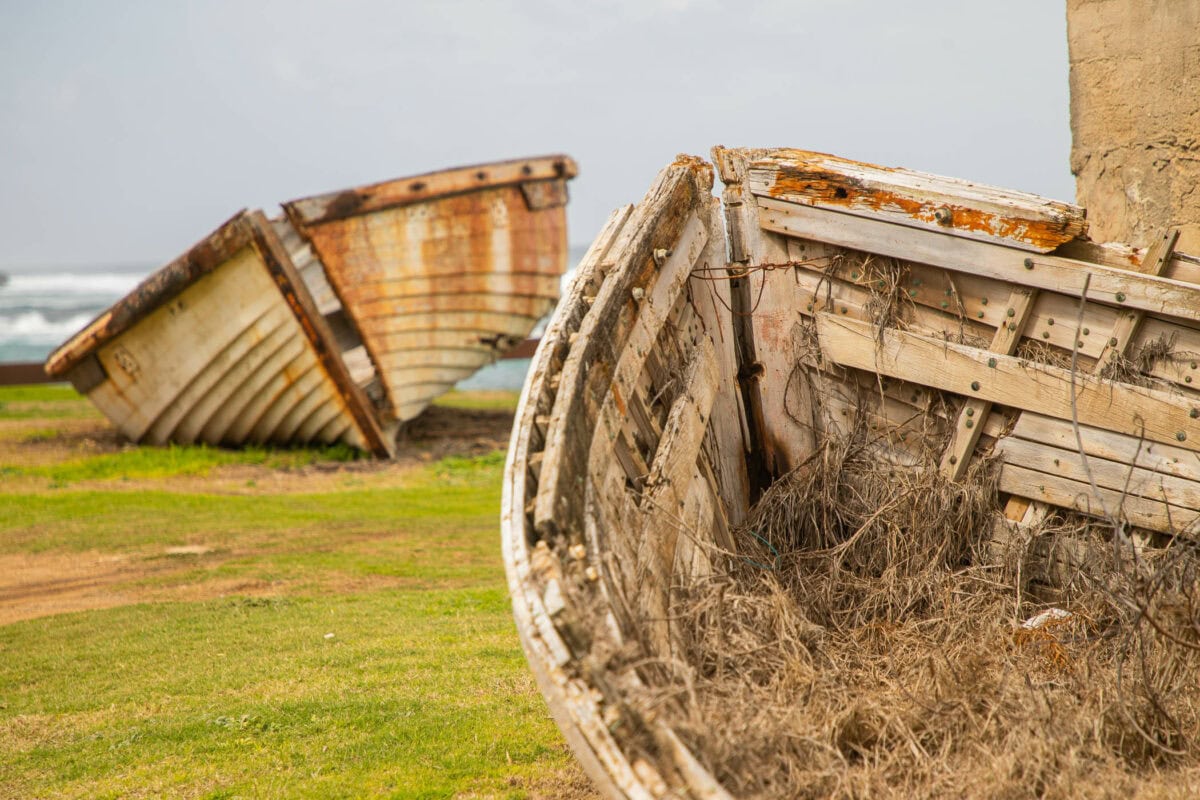
Built in 1839, Kingston Pier has long been the lifeline of Norfolk Island, serving as the main gateway for settlers and supplies throughout much of the island’s history. Today, it remains a hub of activity – from local fishing boats to visiting supply ships and tenders. If you’re lucky enough to be there when a ship arrives, you can witness the age-old tradition of unloading cargo by hand onto small lighters, a practice that has endured for generations and offers a living link to the island’s maritime past.
Norfolk Island may have earned its reputation as “Hell in the Pacific” in the early chapters of its history, but today the island paradise could be more accurately be described as heaven on earth. The Kingston UNESCO World Heritage Site captures the island’s rich history and invites you to experience a past that shaped an unforgettable present.